
C-Suite Executive Coaching
C-suite executive coaching gives CEOs and CXOs a confidential thinking partner with no stake in the outcome. We work on the pressures that come with the top role: board and shareholder expectations, the weight of constant decisions, leading a senior team and the isolation of having few people you can speak to openly. Sessions run in Manama or online, in English or Arabic.
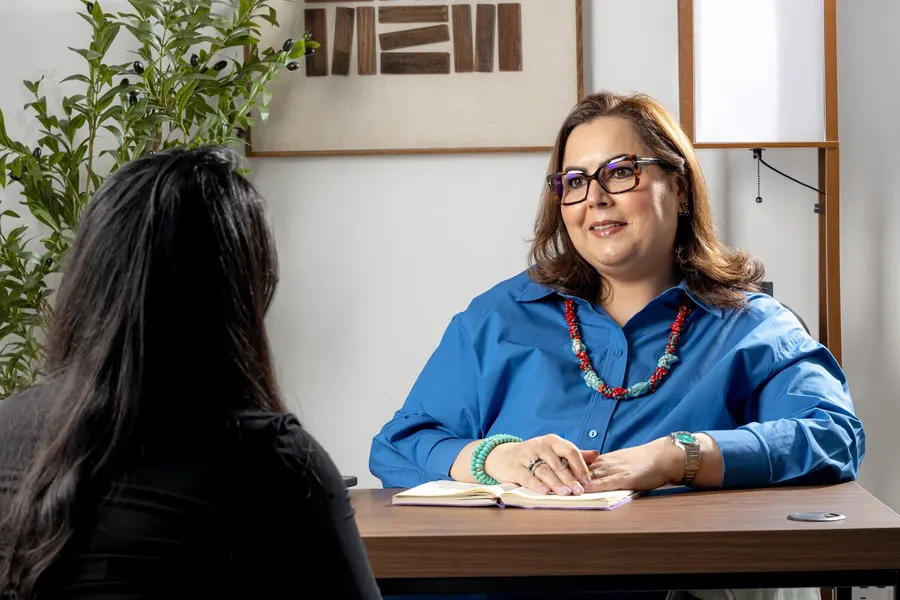
At the top of an organisation, almost everyone who talks to you wants something: a decision, a budget, a position, reassurance. Very few conversations exist only to help you think.
C-suite executive coaching is one of them.
The higher you go, the fewer people you can think out loud with
Senior executives often tell me they have plenty of advisers and very little honest reflection. Your board evaluates you. Your leadership team reports to you. Your peers in other companies may be competitors. Family and friends do not see the full picture and cannot be told it.
Coaching offers a space where you can test a half-formed idea, admit doubt or explore a fear without consequence. I don’t give answers or push an agenda. I ask the questions that help you see what you already know and what you have been avoiding.
Pressures CEOs and CXOs bring into the room
None of these is a sign that you are in the wrong role. They come with the territory, and they are easier to carry when you have somewhere to set them down and look at them clearly.
- Board or shareholder expectations that pull in different directions
- A chair, founder or major family shareholder whose relationship with you needs careful handling
- Decision fatigue: dozens of significant calls a week with no one to share the load (what decision fatigue is and why it matters at this level)
- A senior team that defers to you rather than challenges you
- Leading a transformation, restructuring or succession while running the business
- Your own next chapter, and what you want your leadership to have stood for
Confidentiality is strict, including when the company pays
What you say in sessions stays between us. That applies even when the organisation, the board or a family shareholder is funding the coaching. If there is a sponsor, we agree at the beginning, in writing, what is shared: usually only the broad development goals and attendance, never the content of our conversations.
For more on how that agreement works, see three-way coaching agreements. I follow the ICF Code of Ethics, and confidentiality is the foundation of every coaching relationship I hold. You can read more about whether executive coaching is confidential.
The format bends around a C-suite calendar
Sessions are usually weekly or every two weeks, but I know the top job does not run on a tidy schedule. We can plan sessions around board cycles, results announcements, Ramadan working hours or heavy travel, and switch between meeting in person in Manama and online.
Many executives also find it useful to book a session just before a high-stakes moment, such as a board presentation or a difficult conversation with a shareholder, and another shortly after to reflect.
Your leadership team is part of your coaching, even when they are not in it
A chief executive does not lead alone. How your top team meets, disagrees and decides reflects your leadership, and it also shapes it. My training in systemic coaching and systemic team coaching means we look at you in the context of that system, not in isolation.
If the work points to the team itself, I can also work with the full group through executive team alignment coaching. We would discuss that openly first, because it changes the coaching relationship.
What a first conversation with me looks like
It begins with a free 30-minute discovery call, which is simply a chance to see whether we work well together. If we go ahead, the first full session is about the landscape: the organisation, the board, the team and you. I listen for where your energy goes and where it is being drained.
We finish by naming the two or three questions that matter most to you over the next few months. Those become the backbone of the engagement, and we revisit them regularly.
Why senior executives choose to work with me
I bring more than 26 years in leadership, HR and talent development across financial services, FMCG, entrepreneurship and government, much of it supporting executive teams through growth and transformation. I hold the ICF PCC credential and have completed more than 4,500 coaching hours.
I coach in both Arabic and English, which matters in boardrooms where conversations move between the two.
Frequently asked questions
Will the board or chair know what we discuss?
No. If the board or company sponsors the coaching, they may know that it is happening and what the agreed goals are. The content of our sessions is never shared without your explicit permission.
I barely have time for my own team. How much time does coaching take?
Sessions usually run weekly or every two weeks, and we can plan them around your calendar rather than the other way round. Executives often find the time pays back, because a decision thought through properly takes less revisiting later.
Do you work with CEOs of family-owned businesses?
Yes. Family businesses bring particular dynamics, including founders, successors and family shareholders. Coaching gives you a neutral space to think about those relationships as well as the business itself.
What can a coach offer that an experienced peer or mentor cannot?
A mentor shares what worked for them. A coach helps you find what works for you, with no opinion about the answer and no interest in the outcome. Both have value, and many leaders use both.
I have just been appointed to the C-suite. Is it too soon for coaching?
It is an ideal time. The first months in a top role set expectations with the board and your team. If you are mid-transition, new leader transition coaching follows the first 90 days specifically, and we can combine it with the wider C-suite work.
Can coaching help me prepare for board meetings?
Yes. We often work on how you frame difficult news, hold your position under questioning and stay composed when challenged. My guide on how to present to a board covers some of the practical ground.
Related
Executive Coaching for CEOs
Executive coaching for CEOs and managing directors: the board relationship, shareholder pressure and planning your own succession. In Manama or online.
Decision-Making Coaching
Decision-making coaching for leaders facing decision fatigue, overthinking or choices made on incomplete information. One to one, in person or online.
Executive Team Alignment Coaching
Executive team alignment coaching for leadership teams with competing priorities. Build a shared agenda, clear decision rules and one message from the top.
Coaching Confidentiality and Ethics
How I protect what you share in coaching: the ICF Code of Ethics, the limits of confidentiality, sponsor agreements, conflicts of interest and referrals.
Stakeholder Management Coaching
Stakeholder management coaching for leaders who must influence senior people without formal authority. Map the system, build trust and get decisions made.
Every leader needs one conversation that exists only to help them think.
Book a confidential 30-minute discovery call.