
Executive Coaching for CEOs
Executive coaching for CEOs is a confidential space to work on the parts of the top job no one else can help you with: your relationship with the chair and board, competing shareholder expectations, being the final decision-maker, and planning for the day you hand over. I coach chief executives and managing directors one to one, in person in Manama or online, in Arabic or English.
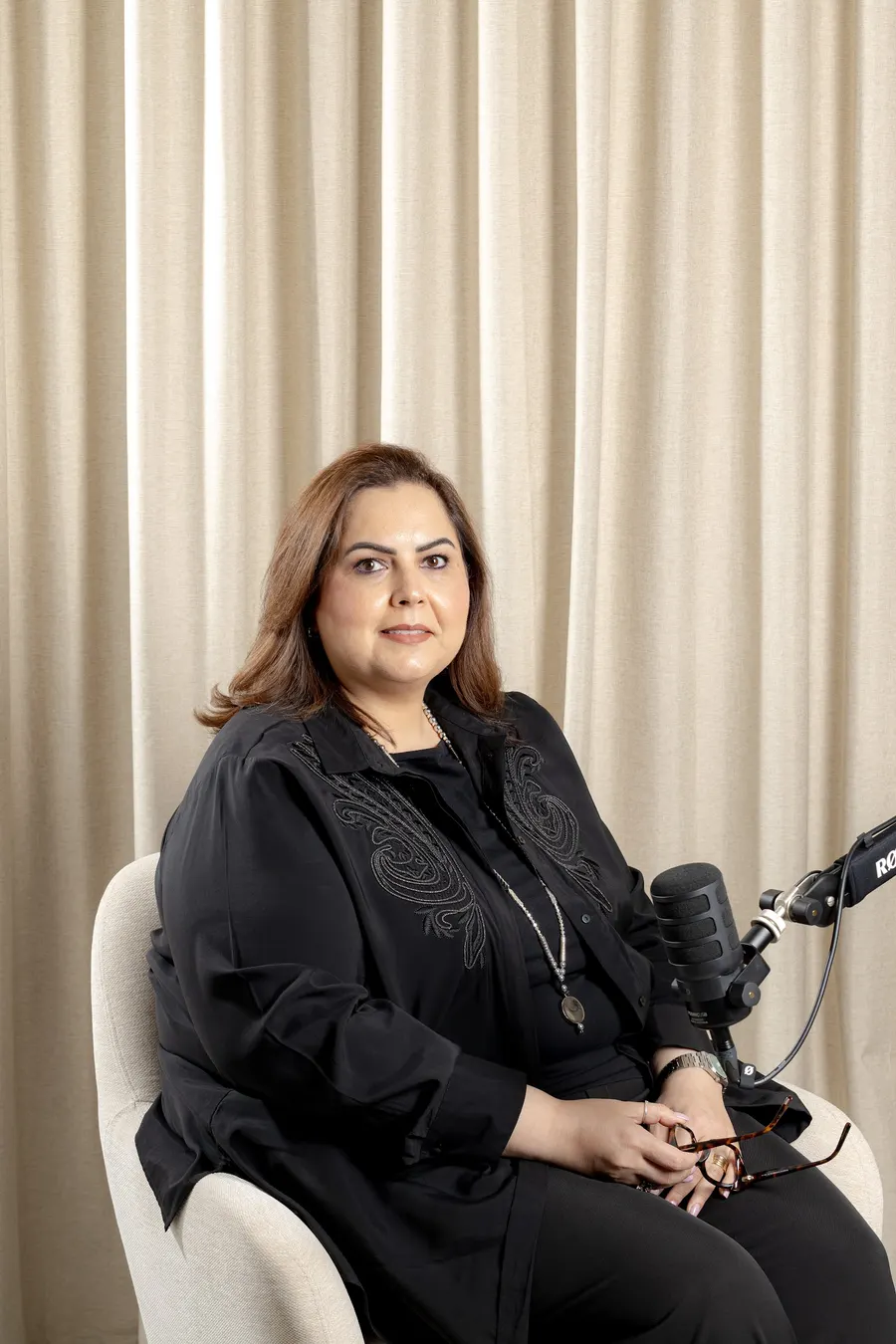
Most CEOs who contact me are not in trouble. They are carrying a great deal, and they have noticed that the habits which earned them the role are not quite the ones the role now asks for.
This page is for the person at the very top. If you lead a function inside the C-suite, my page on C-suite executive coaching is written for the wider executive team.
The moments that bring a chief executive to coaching
CEOs rarely ask for coaching because something is broken. They ask because a moment has arrived that they have not faced before, and they want to meet it well. These are the moments I hear about most.
- Your first year in the chair, after years of reporting to one.
- A new chair, or a board that has changed its expectations of you.
- Shareholders who want different things: growth for some, dividends or stability for others.
- A family-owned group where the shareholders are also relatives, and sometimes also your colleagues.
- A turnaround or restructuring, where every decision lands on real people.
- A sense that you have stayed long enough, and no clear picture of what comes next for the company or for you.
Your relationship with the board is a leadership relationship
The board is not only something you report to. How you lead the relationship with your chair and directors shapes how much room you have to lead everything else. Many CEOs prepare the papers carefully and leave the relationship to chance.
In coaching we look at that relationship directly. What does your chair need from you that they have never said out loud? Where do you over-explain, defend or hold back? How do you bring bad news early without losing confidence in the room? For the practical side of board meetings, my guide on how to present to a board with confidence is a useful companion.
Shareholders add another layer. In the Gulf, ownership often includes families, government-linked investors and institutional funds in the same company. Each group reads your decisions through its own lens, and part of the CEO’s work is holding those views without being pulled apart by them.
Planning your own succession is the hardest succession plan
Every CEO is temporary, and most know it. Fewer have thought about what that means for how they lead today. Succession of self is two questions at once: who could lead this organisation after me, and who am I after this role?
The first question is strategic. It asks whether you are developing leaders who could replace you, or quietly keeping the organisation dependent on you. If you want to understand the organisational side, read what succession planning involves.
The second question is personal, and it is the one most CEOs avoid. When your identity is fused with the title, letting go feels like loss. Coaching gives you time to separate who you are from what you hold, so that when the moment comes you can hand over with clarity rather than reluctance.
The final decision is yours, which changes how you should think
Below the top job, there is always someone to escalate to. As CEO, the decision stops with you, and that changes the way pressure feels. Some leaders become slower and more cautious; others speed up and stop listening.
I won’t tell you what to decide. I ask the questions that help you see how you are deciding: what you are protecting, what you are assuming, and whose voice is missing. My decision-making coaching goes deeper into this if it becomes the main thread of our work.
A first session usually starts with the conversation you keep postponing
After a free 30-minute discovery call, our first full session begins with a simple question: what is the conversation, decision or relationship you have been putting off? For a CEO it is often a conversation with the chair, a member of the leadership team who is not working, or a plan for your own next chapter.
We use that as a doorway. By the end of the session you will have named the two or three themes that matter most for the coming months, and one thing you will try differently before we meet again. Sessions then usually run weekly or every two weeks, planned around your board and reporting cycle.
What I bring to work with chief executives
I have not run your company, and I won’t pretend to know your business better than you do. What I bring is more than 26 years in leadership, HR and talent development across financial services, FMCG, entrepreneurship and government, much of it supporting executive teams through growth and transformation.
I am an ICF Professional Certified Coach with more than 4,500 coaching hours. My systemic coaching training matters at this level: a CEO sits inside a system of board, shareholders, executive team and often family, and lasting change comes from seeing that system clearly. You can read more about my background.
Frequently asked questions
My chair suggested I work with a coach. Does that mean the board has concerns?
Not necessarily. Many boards see coaching as an investment in a CEO they want to keep. If the suggestion came with specific feedback, we can use it as a starting point, and we agree at the outset exactly what, if anything, is reported back.
Can you coach me and my executive team at the same time?
Yes, with clear boundaries. Your one-to-one sessions stay confidential and are never used in team work. Many CEOs start one to one and later bring in team coaching once they can see what the team needs.
I plan to step down in two or three years. Is it too early to start?
It is a good time to start. Two or three years gives you room to develop successors, shape the handover and think about your own next chapter without the pressure of a deadline.
Do you work with managing directors of smaller companies, or only large groups?
Both. The size of the organisation changes the detail, not the core of the role. A managing director of a fifty-person firm faces the same questions about authority, ownership and letting go as the head of a large group.
Can we work in Arabic if my board meets in Arabic?
Yes. I coach in Arabic and English, and we can move between the two in the same session. Many leaders find it helpful to rehearse a board conversation in the language it will actually happen in.
Related
C-Suite Executive Coaching
C-suite executive coaching for CEOs and CXOs facing board pressure, decision load and isolation at the top. Strictly confidential, in Manama or online.
Executive Team Alignment Coaching
Executive team alignment coaching for leadership teams with competing priorities. Build a shared agenda, clear decision rules and one message from the top.
How to Present to a Board With Confidence
How to present to a board with confidence: open with the decision you need, prepare for the hard questions, handle pushback and read the room in Gulf boards.
What Is Succession Planning?
What is succession planning in leadership? How organisations develop future leaders for critical roles, the core steps, and the mistakes to avoid.
Executive Coaching for Founders
Executive coaching for founders and entrepreneurs making the shift from founder to CEO: delegation, senior hires and decisions. In Bahrain or online.
The top job is easier to carry when you can see it clearly.
Book a free 30-minute discovery call and tell me what is on your desk right now.