
Promotion Readiness Coaching
Promotion readiness coaching is for professionals who deliver strong results but are not yet seen as ready for the next level. I help you understand how senior decision-makers judge readiness, close the gaps that matter and show up as the leader the next role needs. I coach one to one, in Arabic or English, in person in Manama or online.
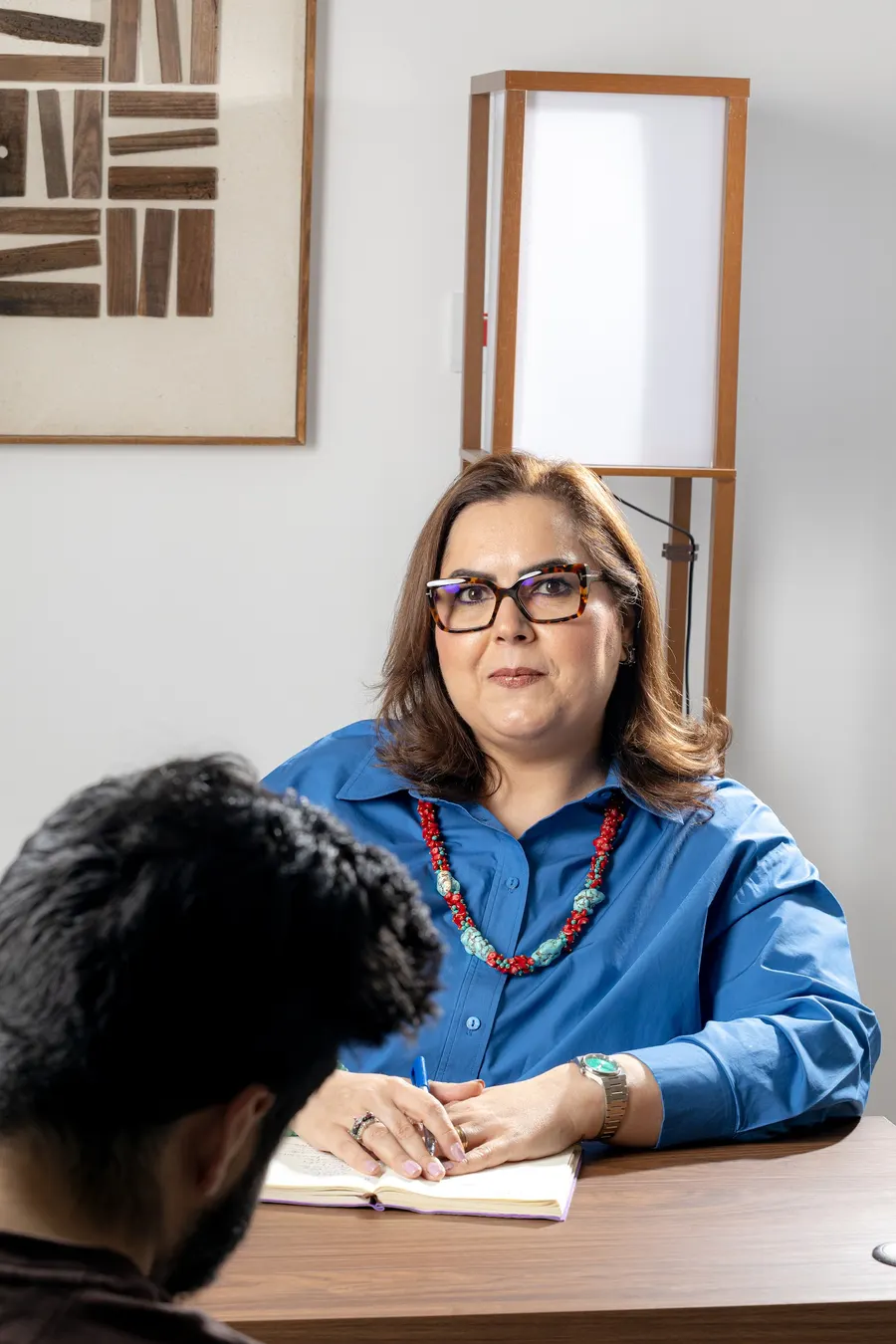
Feeling overlooked despite consistently delivering results is one of the most common reasons people contact me. It is also one of the most discouraging, because the usual advice, to work harder, rarely touches the real issue.
Promotions often become a natural consequence of becoming a stronger leader, not the goal itself. That is the spirit in which I do this work.
Results get you considered; something else gets you chosen
At junior levels, promotion often follows performance. Higher up, the question changes. Decision-makers stop asking “can this person do the work?” and start asking “can this person lead at the next level, and will others follow them?”
I sat in talent reviews and succession discussions for much of my HR career, and I know how often that judgement rests on impressions that are never explained to the candidate: perspective, presence, relationships, judgement. Promotion readiness coaching makes those impressions visible so you can work on them.
You may be closer than you think, or further than you have been told
These are the situations that most often bring people to promotion readiness coaching.
- Your appraisals are strong, yet the role you wanted went to someone else and the explanation was vague.
- You have been told you are “nearly ready” for more than one cycle.
- You are so valuable in your current role that nobody wants to move you.
- You are a technical expert and unsure what leadership capability the next role really requires.
- You are part of a national talent or succession programme and want to make the most of it.
- You are preparing for an internal panel or an important career conversation with your manager.
Four questions we answer together
What does the next role actually demand?
We define the role by its decisions, relationships and scope, not its title. Often the gap is thinking at enterprise level rather than functional level.
How are you seen today?
We gather an honest picture from feedback you already have, from conversations you can start and from what you notice in senior meetings.
Where is the real gap?
Sometimes it is a skill. More often it is visibility, influence with senior stakeholders, or a quiet belief that you do not yet belong at that level.
What will you practise now?
You begin operating at the next level in your current role, in specific meetings and decisions, so readiness is demonstrated rather than claimed.
Readiness is partly visible behaviour and partly inner belief
Some of the work is outward: how you contribute in executive meetings, how you build relationships beyond your own team, how you talk about your results. Leaders preparing for senior roles often benefit from focused work on executive presence as part of this.
Some of it is inward. Many capable people hold back without realising it. They wait to be invited, understate their ambition, or believe the next role is meant for someone more confident. Growth begins within, and readiness often shifts once that belief is examined honestly.
The first session is an honest look at where you stand
In our first session we talk about the role you want, the feedback you have had and the story you tell yourself about why it has not happened yet. I ask questions; I won’t tell you what your next move should be.
We usually finish with a clearer statement of what readiness means for your target role and two or three areas to work on first. If it helps, you also plan the conversation you need to have with your manager about your progression. My article on being overlooked for promotion covers that situation in more depth.
Coaching cannot promote you, but it changes what decision-makers see
I cannot promise a promotion, and you should be wary of anyone who does. Decisions depend on the organisation, the timing and the people involved. What coaching can do is help you become the leader the next role needs, and make that visible. For a balanced view, read whether a coach can help you get promoted.
My background sits squarely in this territory. I spent more than 26 years in leadership, HR and talent development in financial services, FMCG, entrepreneurship and government, building talent strategies and developing leaders. I coach as an ICF PCC, with more than 4,500 hours of practice behind me.
Frequently asked questions
Should I tell my manager I am working with a coach on promotion?
That is your choice, and it depends on your relationship and your organisation’s culture. Some clients find that being open about their ambition starts a useful conversation; others prefer to keep coaching private. Everything we discuss remains confidential either way.
I have just been passed over. Is it too soon to start?
No. The weeks after a disappointment are often when people are most honest with themselves about what they want. We take time to understand the decision before planning what comes next.
Can we prepare for an internal panel or interview?
Yes, as part of the wider work. We focus on how you communicate your thinking and your leadership rather than scripting answers, so you can speak naturally about what you bring.
What if the obstacle is my organisation, not me?
Sometimes it is partly both. Coaching helps you see which parts of the situation you can influence and which you cannot. For some clients that clarity builds a stronger internal case; for others it leads to a decision to look elsewhere, and career transition coaching becomes the natural next step.
How long does promotion readiness coaching take?
It depends on the gap and the timing of the next opportunity. Sessions usually run weekly or every two weeks, and every engagement is personalised. We agree a realistic plan on the free 30-minute discovery call.
Can my employer fund this as part of my development?
Yes. Many organisations sponsor coaching for high-potential employees. At the start we agree which broad goals are shared with the sponsor, and the content of our sessions stays confidential.
Related
How to Get Promoted to Senior Management
How to get promoted to senior management: what selectors look for beyond results, how to show enterprise thinking and build sponsors over the next year.
How to Ask for a Promotion
How to ask for a promotion and get a real answer: when to ask, how to build your case, what to say in the meeting and what to do if the answer is not yet.
How to Prepare for Your Next Executive Role
How to prepare for your next executive role: close capability gaps early, use the weeks before day one well and arrive with a clear leadership agenda.
New Leader Transition Coaching
New leader transition coaching for your first 90 days in a bigger role, whether you were promoted internally or hired from outside. Online or in Manama.
Coaching for High-Potential Employees
Coaching for high-potential employees, designed with HR: turn a HiPo label into real readiness for bigger roles. One to one or cohort, in Bahrain and online.
The next role starts with the leader you become in this one.
Book a free 30-minute discovery call and tell me about the role you are aiming for.