
Psychological Safety Workshops
Psychological safety workshops help teams build the shared belief that it is safe to speak up, ask questions, admit mistakes and challenge ideas without fear of embarrassment or punishment. I design each workshop around your team, then follow it with coaching so the new habits hold. Workshops run in person or virtually for leadership and functional teams in Bahrain and across the GCC.
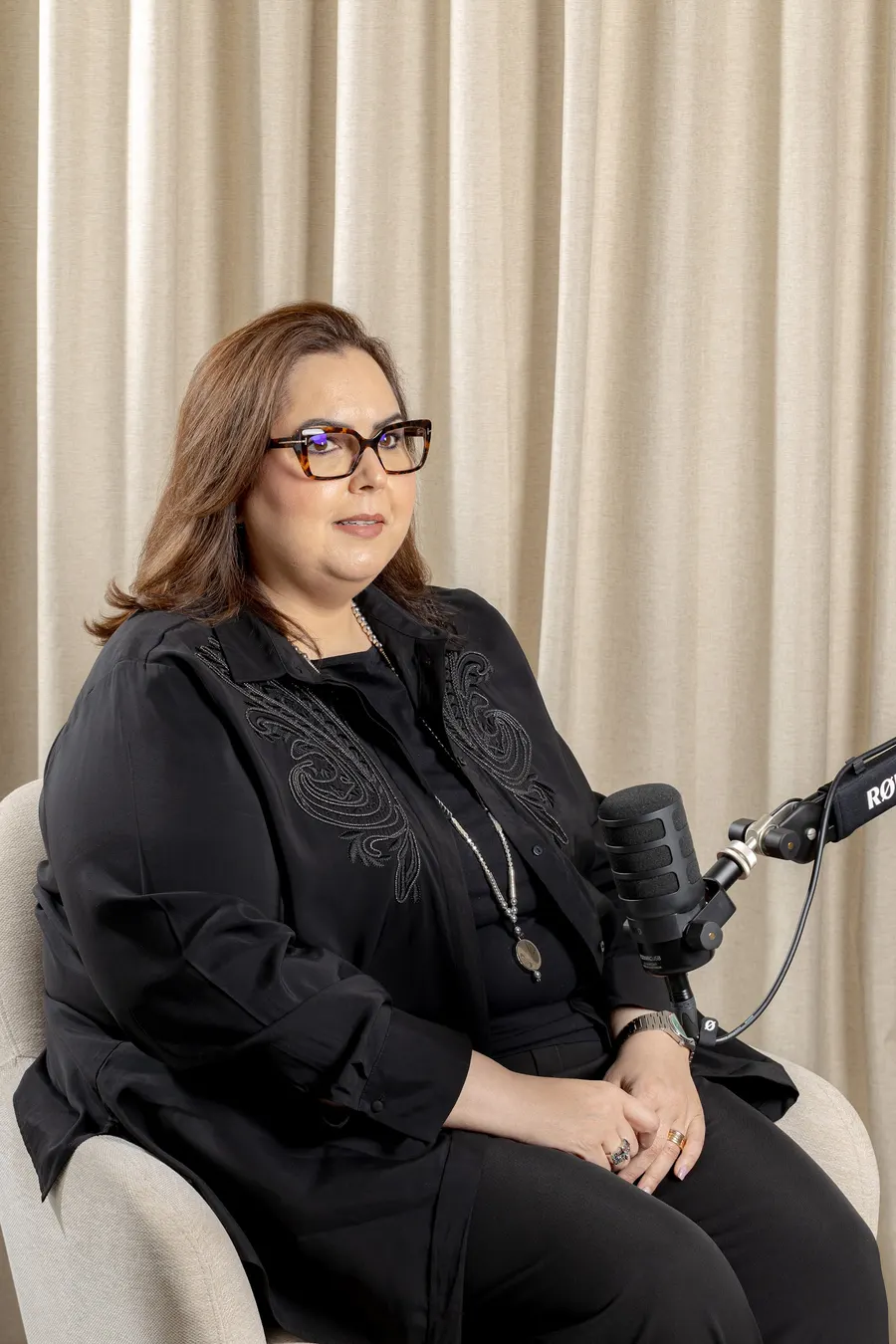
When I am asked whether this is a workshop or coaching, my answer is that it is both. Workshops introduce concepts. Coaching creates lasting behavioural change. A workshop on its own can lift a team for a week; with follow-up coaching it can change how the team works.
Teams without psychological safety go quiet in predictable ways
Low psychological safety rarely looks like open fear. It looks like silence, politeness and surprises that arrive too late. You might notice:
None of these mean people are disengaged. They usually mean the cost of speaking up feels higher than the cost of staying silent, and a psychological safety workshop is designed to change that balance.
- Only the most senior people speak in meetings, and others wait to be asked.
- Problems surface at the deadline rather than when they first appeared.
- Questions are asked privately after the meeting instead of during it.
- New ideas come from the same two or three people.
- Mistakes are explained away rather than examined.
- Newer team members, including national talent recruits, hesitate to contribute.
Psychological safety is about candour, not comfort
Psychological safety is a shared belief in a team that interpersonal risk-taking is safe. The idea was developed in team research by Amy Edmondson of Harvard Business School, and it now shapes how many organisations think about learning and performance. For a fuller explanation, see what psychological safety is.
It is not about being nice, lowering standards or avoiding hard conversations. Safe teams often hold each other to higher standards, because problems are raised early and feedback is expected. We make that distinction clear from the start, so leaders do not fear that safety means softness.
Inside a psychological safety workshop
Every workshop is tailored. The content, length and format depend on your team, its size and what you want to achieve, but most follow this arc.
A shared starting point
The team builds a common understanding of psychological safety and why it matters for its own work, using examples from its real context.
An honest look at the current climate
Through structured reflection, the team discusses where speaking up feels easy and where it feels risky, without singling anyone out.
Leader behaviours
We look at the specific moments where leaders raise or lower safety: how they respond to bad news, questions and dissent.
Team agreements
The team commits to a small number of practical behaviours to try in its meetings and day-to-day work.
Follow-up coaching is where the habits form
After the workshop, I coach the team, and often the team leader individually, as they practise the new behaviours. We review what changed in real meetings, what slipped back and what made speaking up feel risky again.
This is the part most organisations underestimate. Without it, the workshop becomes a pleasant memory. With it, safety becomes part of how the team works. The difference between the two formats is explored further in how team coaching differs from a workshop.
Safety inside a hierarchy needs careful design
Respect for seniority is a real strength of many Gulf workplaces, and it shapes when and how people feel able to speak. Psychological safety does not ask a team to abandon that respect. It asks leaders to make clear that respectful disagreement is welcome, and to show it in how they respond.
In multicultural teams, people also bring different expectations about directness and challenging a manager. I design each session so that everyone has a way to contribute, through preparation, small-group discussion and structured rounds, rather than relying on the most confident voices.
Who facilitates your workshop
I am an ICF Professional Certified Coach and a certified Systemic Team Coach with more than 4,500 coaching hours. Before coaching, I spent more than 26 years in leadership, HR and talent development, shaping culture and supporting executive teams in financial services, FMCG, entrepreneurship and government.
Psychological safety and trust are closely linked. Where trust has been damaged by a specific event, team trust building may be the right first step. If you want to start building safety yourself as a leader, my article on how to create psychological safety is a practical place to begin.
Frequently asked questions
Who should attend a psychological safety workshop?
Usually an intact team with its leader, because safety is built inside a specific team. A workshop for leaders from different teams is also possible when the aim is to help each of them build safety in their own area.
Our team already gets along well. Is this still relevant?
Yes. Teams that get along well can still avoid difficult topics to protect the harmony. Psychological safety is less about friendliness and more about whether people raise risks, mistakes and different views.
How do you stop the workshop feeling like a box-ticking exercise?
By building it around the team’s real situations and following it with coaching. When people see their leader respond differently to a raised concern the following week, the workshop becomes credible.
What does the team leader need to do?
More than anyone else. The leader’s reactions to questions, bad news and disagreement set the level of safety. I usually work with the leader before the workshop and offer coaching afterwards.
Can the workshop be delivered virtually?
Yes. Workshops and follow-up coaching can run in person or virtually. Virtual sessions need some extra structure so that quieter voices are heard, and I build that into the design.
How will we know psychological safety has improved?
We agree the signs at the start, such as earlier escalation of problems, more voices in meetings or more questions from newer team members. We review them during the follow-up coaching rather than relying on impressions.
Related
What Is Psychological Safety at Work?
Psychological safety at work explained: where the idea comes from, what it looks like day to day, what it is not, and how hierarchy shapes it in Gulf teams.
How to Create Psychological Safety in a Team
How to create psychological safety in a team: what to say when bad news arrives, habits that invite challenge and how it works where hierarchy is strong.
Team Trust Building
Team trust building coaching and workshops for teams with low trust or rebuilding after a breach. Tailored, practical and delivered in person or online.
Leadership Workshops
In-house leadership workshops for organisations in Bahrain and the GCC: presence, feedback, trust, accountability and resilience. In Arabic or English.
Team Coaching for Organisations
A team that speaks up early solves problems early.
Book a free 30-minute discovery call to talk about your team and what a workshop could do for it.