
360 Feedback Coaching
360 feedback coaching helps you make sense of a 360-degree report and turn it into change people can see. I debrief the results with you one to one, help you separate signal from noise, explore what sits behind the scores and build a focused development plan. The conversation is confidential and runs in person in Manama or online, in Arabic or English.
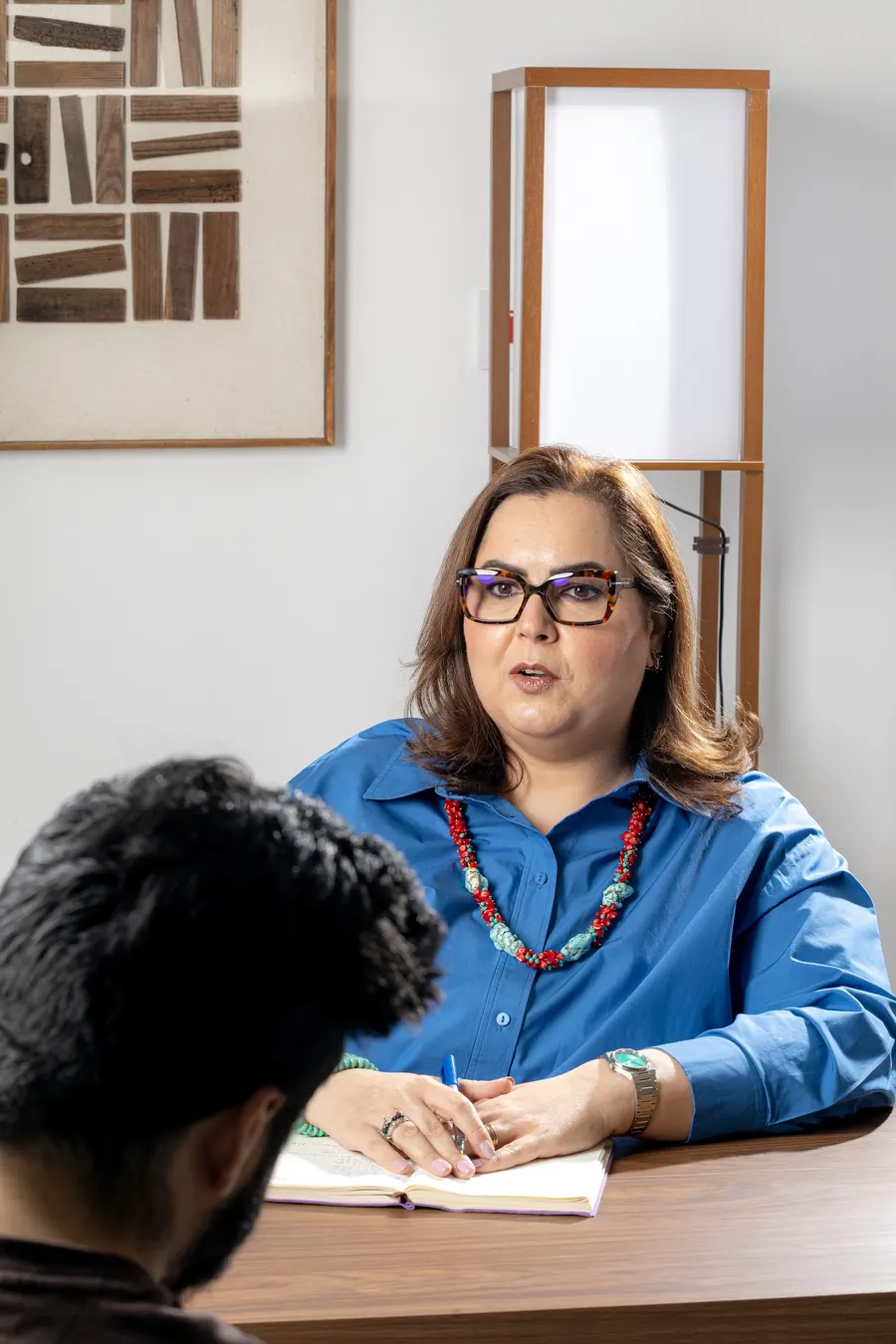
A 360 report can be one of the most useful documents a leader ever receives, and one of the hardest to read. It arrives full of numbers, comparisons and anonymous comments, usually at a busy moment, often with nobody to help you interpret it.
Without a good debrief, most reports end up in a drawer. With one, they can shape the next stage of your leadership.
A 360 report is hard to read well on your own
The first reading of a 360 is rarely calm. Most people go straight to the lowest score or the harshest comment and stay there. Others skim the whole report, feel reassured by the averages and miss the pattern that matters. Leaders who ask me for 360 feedback coaching often describe one of these reactions.
- One anonymous comment stings more than twenty positive ones.
- Your own ratings differ sharply from how others rated you, and you are not sure who is right.
- Your manager, peers and direct reports seem to describe three different people.
- The feedback contradicts what you have been told in appraisals.
- You want to know who wrote a particular comment, and that question starts to take over.
- You agree with the feedback but have no idea what to do differently on Monday.
How the debrief turns raw data into understanding
Settle the first reaction
We start with how the report landed for you. Surprise, hurt and defensiveness are normal, and naming them first makes the rest of the conversation more useful.
Look for patterns, not single scores
We look at where groups of raters agree, where they differ, and where your self-rating diverges from others. The gaps are often more revealing than the numbers.
Read the comments as information
Instead of guessing who wrote what, we ask what each comment suggests about how your behaviour is experienced.
Choose one or two themes
A good plan focuses on the few changes that would make the biggest difference, not on every item in the report.
Blind spots are where the report earns its value
The most useful part of a 360 is usually the part you did not expect. Blind spots are, by definition, invisible to you, and a structured debrief is one of the few places they become visible without damaging a relationship.
I know this personally. Working with a coach early in my career showed me blind spots and triggers I had never seen, and it changed how I led. In coaching, we approach a blind spot with curiosity rather than shame. My article on how to find your leadership blind spots explains why they form and how to look for them.
Reframing the feedback that stings
A useful debrief replaces defensive reactions with questions you can actually work on. These illustrative examples show the shift.
| What the report says | A typical first reaction | A more useful question |
|---|---|---|
| Low scores on delegation | “My team is not ready for more.” | What would need to be true for me to hand this over? |
| Comments that you are hard to approach | “But I have an open door.” | What do people experience before they reach my door? |
| High self-rating, lower ratings from others | “They do not see everything I do.” | Which of my intentions are not reaching people? |
A one-page plan, practised in your real week
A development plan built from a 360 should fit on one page. We write it as specific behaviours in specific situations: what you will do differently in leadership team meetings, in one-to-ones, or when you are under pressure.
In follow-up sessions, usually weekly or every two weeks, you practise those behaviours and we review what changes. Many leaders also go back to a few trusted raters for ongoing feedback, which turns a single report into a continuing conversation. When the themes centre on how you react under pressure, the work often continues as emotional intelligence coaching.
Why an HR background helps in a 360 debrief
I spent more than 26 years in leadership, HR and talent development, building talent strategies and developing leaders in financial services, FMCG, entrepreneurship and government. I know how 360s are used inside organisations, how raters tend to respond, and why the same behaviour can be read so differently by a manager and a direct report.
As an ICF Professional Certified Coach with more than 4,500 coaching hours, I hold the debrief as a confidential coaching conversation, not an evaluation. For a definition of the tool itself, see what 360-degree feedback is.
Frequently asked questions
Do I need a 360 report before we start?
It helps to have one, and the debrief is a natural starting point. If your organisation has not run a 360, we can discuss on the free discovery call whether some form of structured feedback would be useful for your goals.
Will my employer see what we say about my report?
No. The debrief is confidential. If your organisation sponsors the coaching, we agree what you share with them, often the development themes you choose, but the conversation itself stays between us.
What if I disagree with the feedback?
That is allowed, and worth exploring. Feedback describes how you are experienced, not an objective truth. We look at why people might see you that way, which parts you accept and what you want to do about the rest.
Is a single debrief session enough?
One session can make sense of the report. Lasting change usually needs follow-up coaching, because new behaviours take practice and reflection. We agree the length that suits your goals.
How soon after receiving the report should we meet?
Ideally soon, while the feedback is fresh and before a first impression hardens into a story. If you have had the report for a while, that is fine too; we start with what you have made of it.
Can a whole leadership team work through its 360 results together?
That can be designed as part of a tailored team programme, which may include leadership assessments, individual coaching and facilitated team sessions. Individual results stay confidential; team-level patterns are explored together. See team coaching for how those programmes are built.
Related
What Is 360-Degree Feedback?
What 360-degree feedback is, how the process works, who should give input, how to read your report and the mistakes that make a 360 fail to help.
How to Handle Criticism as a Leader
How to handle criticism as a leader: separate reaction from response, sort fair from unfair criticism, and know what to say in the moment.
How to Recover From a Bad Performance Review
How to recover from a bad performance review: what to do in the first days, how to go back to your manager and how to build a plan you both trust.
Emotional Intelligence Coaching
Emotional intelligence coaching for leaders who want to manage triggers, stay steady under pressure and use empathy well. In person in Manama or online.
One-to-One Executive Coaching in Bahrain and Online
Feedback is only useful once you know what to do with it.
Book a free 30-minute discovery call and tell me about your report and what you want from it.