
Leadership Coaching for Energy Sector Leaders
Leadership coaching for energy sector leaders supports engineers, superintendents, plant managers and executives in oil, gas, petrochemicals and power as they lead large, safety-critical workforces. I coach one to one and with leadership teams, in Arabic or English, in Manama or online. The focus is the human side of operations: speak-up culture, leading through others and staying steady during shutdowns, projects and transition.
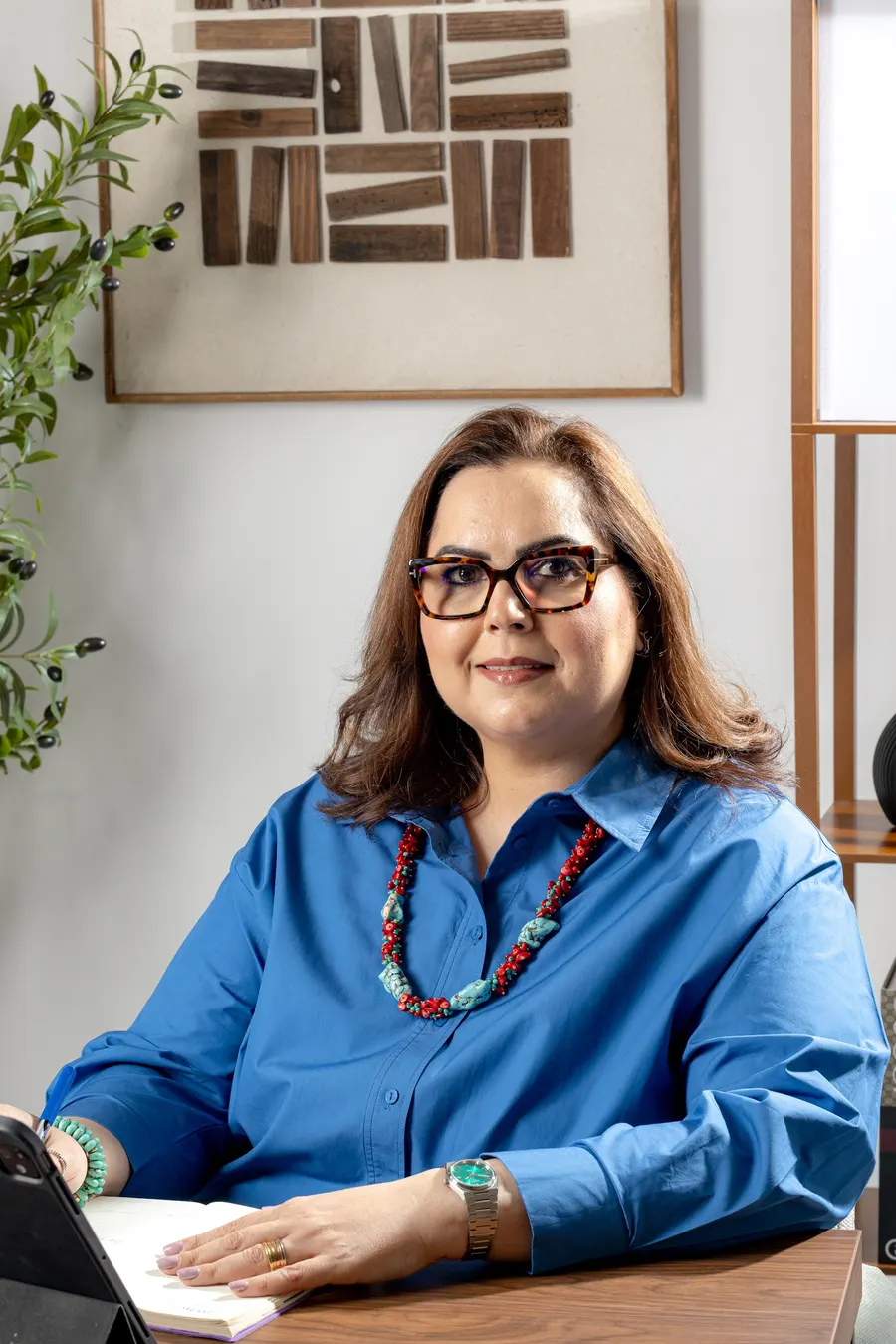
Energy companies are built by engineers, and it shows in the best possible ways: rigour, procedure and respect for what can go wrong. The same culture can make it hard for leaders to talk about the softer side of their role, even though that is usually where their biggest gaps lie.
Energy was never one of my corporate sectors, so you will not hear me comment on engineering or safety procedures. You will get an outside view on how you lead, communicate and decide, drawing on more than 26 years in HR and talent development and over 4,500 coaching hours.
Safety culture is ultimately a leadership behaviour
Every energy company has procedures for permits to work, isolations and stop-work authority. Whether a young technician actually stops a job when something looks wrong depends less on the procedure than on how their supervisor reacted the last time someone spoke up.
That is why many safety conversations end up being leadership conversations. In coaching we look at how you respond to bad news, how you behave when a schedule is under pressure and what your team learns from your face in those moments. The guide on how to create psychological safety explains the concept; coaching helps you live it on site.
Engineers are promoted for being right, then asked to lead people
The usual path into management runs from graduate engineer to discipline lead, then superintendent, area manager and plant or asset manager. At each step the technical problems grow, but the share of your day spent on people grows faster.
Strong engineers often find this shift uncomfortable. People do not behave like systems, and there is rarely a single right answer. If this describes you, the page on leadership coaching for technical experts goes further into that transition. Common signs that it is time to work on it:
- You solve the technical problem yourself because it is faster than coaching someone else to solve it.
- Your team brings you answers to check rather than problems to think through together.
- Feedback says you are respected but hard to approach.
- You understand the difference between a manager and a leader in theory but find yourself managing almost all day.
Leadership pressure changes shape at each level of an energy operation
The pressures on a field supervisor and a vice president are very different, so coaching starts from where you sit.
| Level | Typical leadership pressure | Where coaching often focuses |
|---|---|---|
| Supervisor or superintendent | Large crews, contractors, shift handovers, daily safety calls | Clear expectations, firm but respectful feedback, listening on the ground |
| Plant, asset or project manager | Shutdowns and turnarounds, budgets, competing functions | Delegation, decisions under time pressure, cross-functional influence |
| Executive or vice president | Strategy, energy transition, national priorities, boards | Vision, executive team alignment, presence with government and partners |
Contractors, rotations and nationalisation make the workforce complex
On many energy sites, contractors outnumber direct employees, and crews come from many countries and companies. Some teams work rotational schedules and are never all in one place. Leaders must build one team culture across people with different employers, contracts and expectations.
National energy companies across the GCC also carry national talent goals, developing young nationals through graduate schemes and accelerated leadership tracks. Experienced leaders are asked to transfer knowledge and step aside over time, while young leaders need to earn credibility with crews who have far more field years than they do. Both sides of that equation benefit from coaching.
The energy transition asks leaders to change while the plant keeps running
Gulf energy companies are investing in efficiency, lower-carbon projects and digital operations alongside their core business. Leaders who built careers on reliable, proven methods are now expected to experiment, adopt new technology and work with partners from outside the industry.
That shift is as much about mindset as skill. We explore what you believe about risk, failure and new ways of working, and how those beliefs show up in the way you lead change. Emotional intelligence coaching is often a useful companion here, because adapting to change starts with understanding your own reactions to it.
How coaching works for leaders on site and in head office
Sessions are usually weekly or every two weeks, online when you are on site or travelling and in person in Manama when that suits. We plan around shutdowns and major project milestones, often pausing during the most intense weeks and picking up immediately afterwards to reflect on what you learned.
Every engagement is personalised and confidential. I won’t tell you how to run your operation. I ask questions until you can see your own leadership clearly enough to change it.
Frequently asked questions
Can coaching help me prepare to lead a major shutdown or turnaround?
Yes. Before a turnaround we can work on priorities, delegation and how you will stay composed under pressure. Afterwards, we review how you led, which is often when the most useful learning happens.
I work on a remote site with limited time. Is online coaching realistic?
Yes. Many energy leaders take sessions online from site, and we schedule them around your rotation. A stable connection and a private room are all we need.
Do you coach women engineers and leaders in the energy sector?
Yes. Women in energy often lead in environments where they are one of very few women in the room. The page on coaching for women in male-dominated industries covers that experience in more depth.
Can you work with an operations leadership team, not just individuals?
Yes. Team programmes are tailored and can include assessments, facilitated coaching sessions and follow-up coaching, in person or virtual. They are particularly useful after a restructure or before a major project.
Related
Leadership Coaching for Technical Experts
Leadership coaching for engineers and technical experts who are excellent at the work but finding people leadership hard. Practical, in Manama or online.
Emotional Intelligence Coaching
Emotional intelligence coaching for leaders who want to manage triggers, stay steady under pressure and use empathy well. In person in Manama or online.
How to Create Psychological Safety in a Team
How to create psychological safety in a team: what to say when bad news arrives, habits that invite challenge and how it works where hierarchy is strong.
Manager vs Leader: What Is the Difference?
Manager vs leader: management brings order, leadership brings direction and change. How the roles differ, why you need both, and how the balance shifts.
Coaching for Women in Male-Dominated Industries
Coaching for women in male-dominated industries such as energy, finance and engineering: credibility, influence and energy without overcompensating.
Your plant runs on procedures. Your team runs on leadership.
Book a free 30-minute discovery call around your rotation or project schedule.