
Team Accountability Coaching
Team accountability coaching helps a team build clear ownership: people know what they have committed to, hold each other to it, and raise problems early instead of explaining them late. I coach the team as a whole, with its leader included, to find out why accountability is breaking down and to agree working habits that fix it. Sessions run in person or virtually and are tailored to your team.
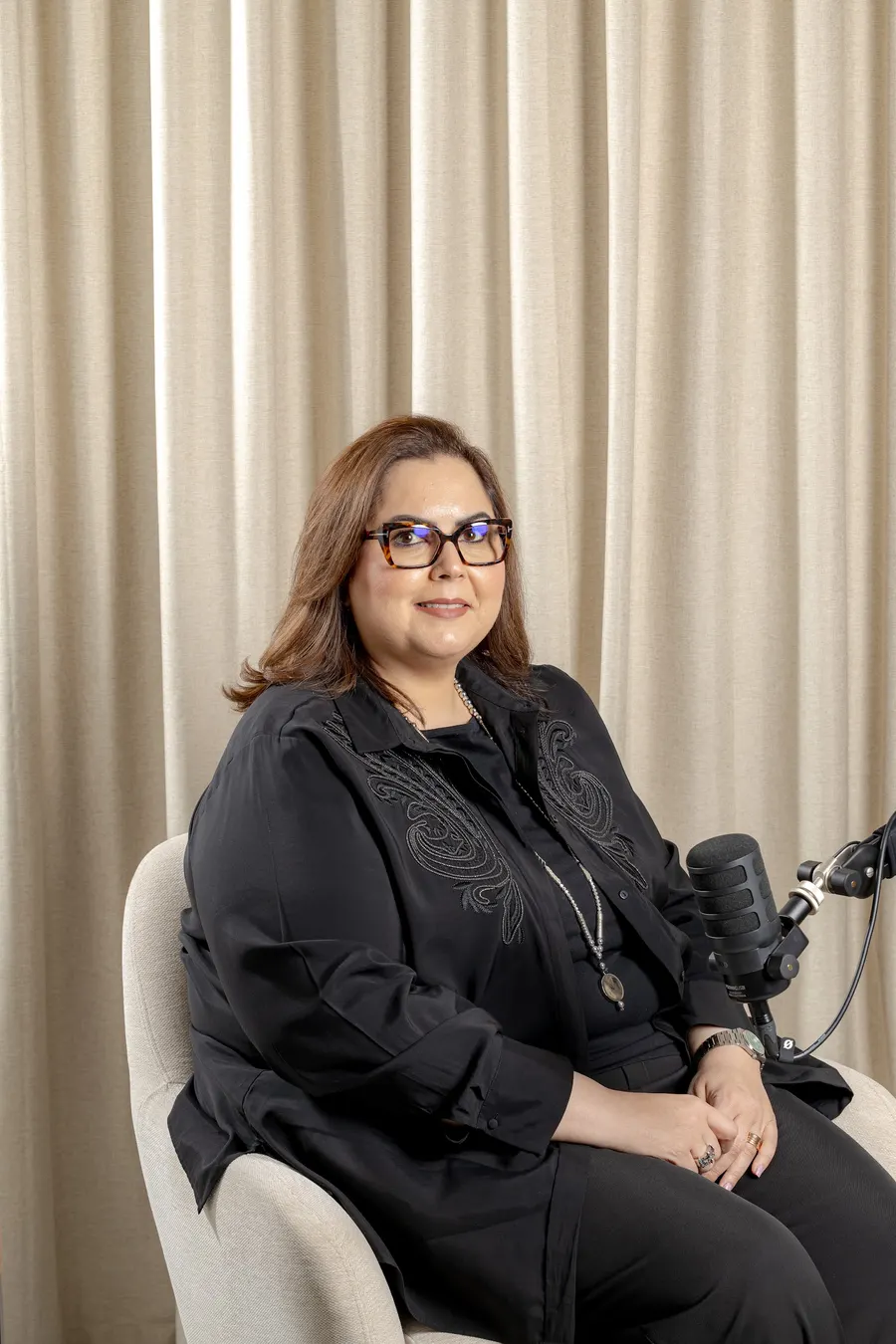
When a CEO or HR director tells me a team lacks accountability, they usually mean three things. Actions slip, the same issues return to every meeting, and somehow everything ends up back on the leader’s desk.
The natural response is to tighten control: more reporting, more follow-up, more pressure. That tends to make the problem worse, because it teaches the team that ownership belongs to the person doing the chasing.
Signs your team has an ownership gap
Accountability problems are easy to sense and hard to pin down. If several of these sound familiar, the issue is likely to sit with the team rather than with one or two individuals.
- Meetings end with agreed actions, but nobody is quite sure who owns each one.
- Deadlines move without anyone saying so until the date has passed.
- Problems are explained after the fact rather than raised while they can still be fixed.
- Team members hold their own people to account but avoid challenging peers.
- Decisions are reopened by people who were present when they were made.
- The leader ends up chasing, checking and finishing work the team should own.
Missing accountability usually has a cause beneath the surface
A lack of accountability is a symptom. Team accountability coaching starts by finding the cause, because the remedy for unclear decision rights is very different from the remedy for low trust.
| Underlying cause | How it shows up | What coaching works on |
|---|---|---|
| Unclear decisions | Actions agreed without a clear owner or deadline | How the team decides, records and confirms commitments |
| Low trust | People protect themselves instead of admitting problems | Openness about mistakes; see team trust building |
| Avoided conflict | Peers do not challenge each other, so standards drift | Giving and receiving challenge between colleagues |
| A rescuing leader | The leader steps in, so the team steps back | The leader’s habits as much as the team’s |
| Hierarchy and saving face | Bad news travels slowly upwards | Making it safe and expected to raise problems early |
| Competing priorities | Everything is urgent, so commitments are quietly dropped | Agreeing what the team will stop doing |
Accountability is not the same as blame
In teams with a blame culture, people learn to hide problems, hedge commitments and keep a record of who said what. That looks like accountability from the outside and destroys it from the inside.
Real accountability means a team member can say, early and without fear, that something is off track. It depends on psychological safety in a team, which is why team accountability coaching works on safety and standards together. High standards without safety create fear; safety without standards creates comfort.
How a team accountability engagement unfolds
Sponsor and leader conversation
We agree what better accountability would look like in practice, and what the leader is prepared to change in their own approach.
Listening to the team
Leadership assessments and individual conversations show where ownership breaks down, from the team’s point of view.
Facilitated team sessions
The team examines its patterns, agrees how commitments will be made and tracked, and practises peer challenge on real work.
Practice between sessions
New agreements are tested in regular meetings and projects, not only in coaching sessions.
Review and follow-up coaching
We look at what has changed, adjust the agreements and support the leader through the transition.
The leader’s part: stop absorbing what the team should own
In almost every accountability engagement, part of the work belongs to the leader. Leaders who finish work late at night, rewrite reports or step into every escalation are trying to help. The unintended message is that the team does not need to own the outcome.
Alongside the team sessions, I often offer the leader individual coaching on letting go without losing standards. The practical side of that shift is covered in how to delegate as a manager.
Why I look at the whole system, not just the people
I am a certified Systemic Team Coach. That means I look at the team in the context of everything around it: its stakeholders, how work arrives, how decisions are made above it and the history it carries. Sometimes a team cannot be accountable because it has been given responsibility without authority.
I bring more than 26 years of experience in leadership, HR and talent development, and more than 4,500 coaching hours as an ICF Professional Certified Coach. For practical steps any leader can take, read how to build accountability in a team.
Frequently asked questions
Is team accountability coaching a way to performance-manage individuals?
No. Performance management stays with the line manager and HR. Team accountability coaching works on how the whole team makes, keeps and reviews its commitments. If an individual performance issue sits underneath, I will encourage you to address it through the proper route.
What if one person is the real problem?
Sometimes one person’s behaviour does need direct attention. More often, the team has learned to work around that person instead of addressing it. Coaching helps the team and leader see that pattern, and managing a difficult employee covers the individual conversation.
Will you help us set up follow-up routines and trackers?
We agree how commitments are recorded and reviewed, because clarity matters. But a tracker on its own rarely fixes accountability. The coaching focuses on the conversations and behaviours that make any system work.
How soon will we see a difference?
Teams often notice clearer commitments early, because the act of agreeing ownership openly changes meetings quickly. Lasting change in how people challenge each other takes longer and depends on practice between sessions.
Our team works across several GCC countries. Does that change the approach?
It adds factors such as time zones, different reporting lines and fewer chances to talk informally. We can run sessions virtually or in a mix of formats and pay particular attention to how commitments are confirmed at a distance.
How is this different from team trust building?
Trust is often one of the causes of weak accountability, but not the only one. If the main issue is that people do not feel safe with each other, we start with trust. If the issue is clarity, standards or the leader’s habits, we focus on accountability directly.
Related
How to Build Accountability in a Team
How to build accountability in a team without micromanaging: clear commitments, a weekly review rhythm and a calm, consistent response to missed deadlines.
Team Trust Building
Team trust building coaching and workshops for teams with low trust or rebuilding after a breach. Tailored, practical and delivered in person or online.
What Is a High-Performing Team?
What is a high-performing team? Shared purpose, mutual accountability, trust to disagree and steady learning. How it differs from an average team.
Team Conflict Resolution
Team conflict resolution coaching for teams stuck in tension, factions or silent standoffs. Facilitated sessions that rebuild how the team works together.
Team Coaching for Organisations
Ownership cannot be ordered. It can be built.
Book a free 30-minute discovery call to talk about your team and where commitments are slipping.