
Leadership Coaching for Middle Managers
Leadership coaching for middle managers helps you lead well from the most squeezed position in any organisation: between the strategy set above you and the people who deliver it below you. We work on managing up and down, translating decisions you did not make, protecting your team without losing your seniors’ trust, and finding your own voice. I coach in person in Manama or online.
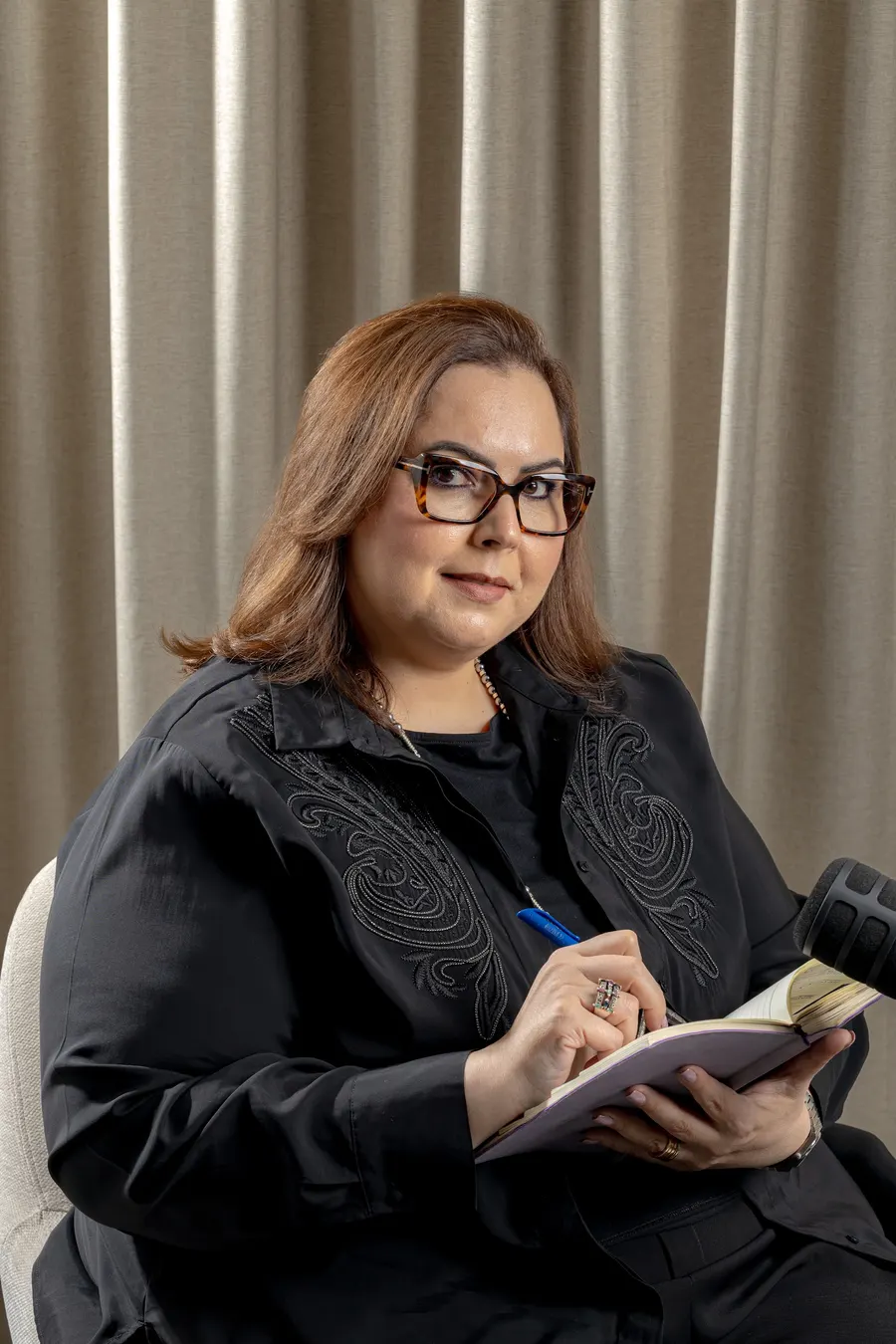
Middle managers hold organisations together and are rarely thanked for it. You absorb pressure from both directions, and when things go wrong, the middle is often where it shows first.
Strategy arrives from above, delivery is expected from below
The middle manager’s job is translation. Senior leaders set a direction, often in broad terms. Your team needs to know what to do on Monday morning. You stand between the two, turning intention into action and reporting back on what is really happening.
That position is powerful and exhausting at the same time. You see what senior leaders miss and what your team cannot see. You are expected to be loyal upwards and protective downwards, and some weeks those two loyalties pull in opposite directions.
Situations middle managers recognise straight away
- Your director changes priorities and your team asks you why, and you do not fully know.
- You disagree with a decision but are expected to present it as your own.
- Your team is overloaded, and you cannot say no to the next request from above.
- You were promoted years ago and feel stuck between your level and the one above it.
- You spend so much time in meetings that the work you are accountable for happens late at night.
- Two senior leaders want different things from your team, and neither will resolve it.
Presenting a decision you did not make
One of the hardest moments for a middle manager is standing in front of your team to explain a decision you argued against. Pretend you agree and you lose credibility. Make your disagreement obvious and you undermine the leaders above you.
In coaching we work on a third way: being honest about the decision, clear about what it means for your team, and open about what you can and cannot change. We rehearse the actual conversation. If that conversation is one you are dreading, difficult conversations coaching gives it more focused attention.
Managing up and managing down need different skills
Most middle managers are better at one direction than the other. Some are trusted by their team and invisible to their seniors. Others are well regarded upwards but have teams that feel unheard. This table shows the difference we usually work on.
| Direction | What it asks of you | Where it often slips |
|---|---|---|
| Managing up | Clear updates, early warnings, a view of your own | Saying yes to everything, or only reporting good news |
| Managing down | Context, priorities, protection from noise | Passing pressure straight through, or shielding the team from all of it |
| Managing across | Agreements with peers who share resources | Avoiding peer conflict until it lands on your director’s desk |
Saying no upwards without damaging the relationship
Middle managers often carry more than their teams can deliver because no one in the chain is willing to push back. Learning to negotiate priorities with a senior leader is one of the most valuable skills you can build at this level.
We look at what stops you, whether it is fear of seeming uncommitted, a demanding boss or a culture where hierarchy makes disagreement feel disrespectful. In many Gulf workplaces, respect for seniority runs deep, and pushing back needs care. My guides on how to manage up with a demanding boss and how to say no at work give you practical language to start with.
In the first session we map where the pressure comes from
After a free 30-minute discovery call, our first full session maps the pressure. We sketch the people above, beside and below you, and mark where the tension sits. Most managers find that one or two relationships account for most of the strain.
We then choose one of those relationships and one upcoming moment where you will try a different approach. Sessions usually run weekly or every two weeks, and we fit them around your workload rather than adding to it.
Why I understand the middle of an organisation
Over 26 years in leadership, HR and talent development, much of my work was with managers in the middle of large organisations in financial services, FMCG and government. I have seen how much depends on this layer and how little support it usually gets compared with senior executives.
The International Coaching Federation credentials me at PCC level, and I have coached for over 4,500 hours. If several managers in your organisation face the same squeeze, group coaching for managers can be a practical way to support them together.
Frequently asked questions
I have managed people for years. Is this different from coaching for new managers?
Yes. New managers are learning to lead a team for the first time. Middle managers usually know how to lead a team; the challenge is leading between layers, with competing demands from above and below.
Can I ask my company to fund leadership coaching for middle managers like me?
Many organisations do. You can frame it around a specific goal, such as stepping up to a director role or leading a team through change. We agree at the start what, if anything, is shared with your sponsor.
What if the real problem is my director?
We can work on that relationship directly. Coaching cannot change your director, but it can change how you respond, what you ask for and how you protect your team, which often changes the relationship more than you expect.
I feel stuck at this level. Can coaching help me move up?
It can help you understand why you are stuck and what the next level needs from you. Often the gap is not skill but visibility and how senior leaders see you, which we can work on directly.
Related
Group Coaching for Managers
Group coaching for managers: a small cohort tackles real leadership challenges together with an ICF PCC coach. Tailored for organisations across the GCC.
Difficult Conversations Coaching
Difficult conversations coaching for managers: prepare and rehearse performance, conflict and bad-news conversations before they happen. Online or in Manama.
How to Manage Up With a Demanding Boss
How to manage up with a demanding boss: find what drives the pressure, agree priorities weekly, update before you are asked and push back with trade-offs.
How to Say No at Work Without Damaging Relationships
How to say no at work without damaging relationships: a four-part method, phrases for your manager, peers and clients, and the mistakes that cause friction.
Executive Coaching for Directors
Executive coaching for directors and heads of department: lead through managers, influence the C-suite and think beyond your function. In Manama or online.
The middle is where organisations hold together. You deserve support there too.
Book a free 30-minute discovery call and tell me where the squeeze is tightest.